Ceramic coating is a liquid polymer solution that chemically bonds to a surface, creating a semi-permanent, protective layer that is durable, hydrophobic (water-repellent), and enhances shine. It is widely used for automotive, industrial, and household applications.
Key Benefits
- UV Protection and Oxidation Resistance: The coating acts like a sunscreen, protecting the underlying surface from harmful UV rays and preventing the paint from fading or oxidizing.
- Chemical and Corrosion Resistance: It creates a barrier against acidic contaminants like bird droppings, tree sap, salt, and general air pollution, preventing them from etching the surface.
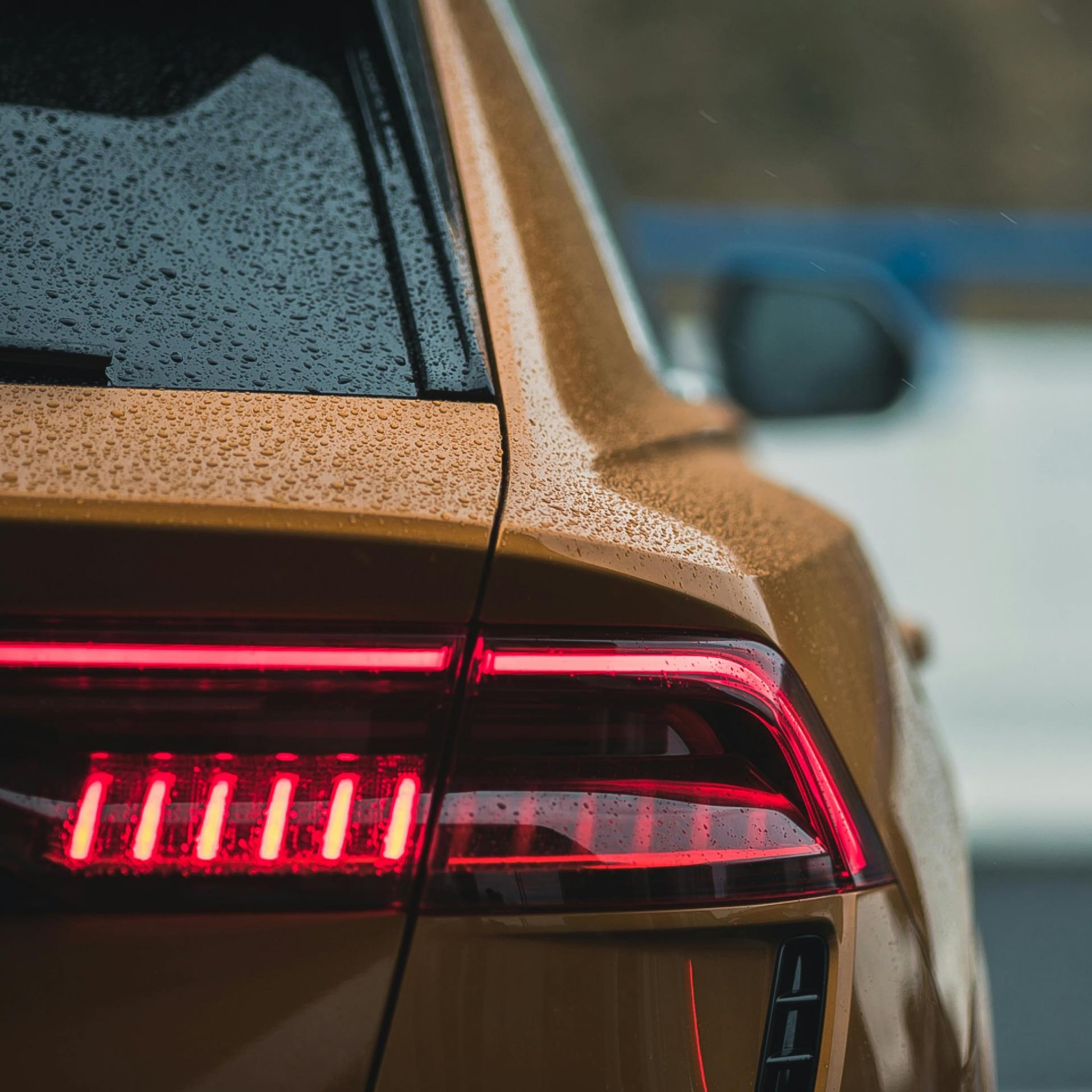
- Hydrophobic Properties & Easy Maintenance: Ceramic coating repels water, causing liquids to bead up and roll off the surface, which carries away dirt and grime. This non-stick, self-cleaning effect makes washing the surface significantly easier and less frequent.
- Enhanced Appearance: It provides a deep, glossy, glass-like finish that enhances the color and luster of the original surface.
- Durability and Longevity: Unlike traditional wax that lasts a few months, a ceramic coating can last from one to several years, depending on the product grade and maintenance, making it a cost-effective long-term solution.
Common Applications
- Automotive: The most common use is on vehicle paint, glass, wheels, plastic trim, and even interior surfaces to protect them from environmental damage and make cleaning easier.
- Industrial/Marine: It is applied to machinery, engine components, and marine equipment to provide thermal insulation, reduce friction, and improve resistance to corrosion and high temperatures.
- Household: Non-toxic ceramic coating sprays are used on kitchen and bathroom surfaces, such as granite, stainless steel, tile, and glass, to repel stains, soap scum, and fingerprints, simplifying cleaning efforts.
Types of Ceramic Coatings (Automotive Focus)
| Type of Ceramic Coating | Average Lifespan | Key Characteristics |
|---|---|---|
| Spray Coatings | 2–6 months | Easy to apply; diluted formulas offering temporary gloss and light hydrophobic protection with minimal prep work. |
| DIY Nano Coatings | 6–12 months to 2 years | Higher concentration of active ingredients (like SiO₂) than sprays; formulated for amateur application but results can vary based on application conditions. |
| Professional-Grade Coatings | 2–5+ years, even up to a decade | Highly concentrated (over 90% active ingredients) and require expert, controlled application for maximum durability, often backed by a warranty. |
Limitations
Proper application, especially for professional-grade products, requires meticulous surface preparation (cleaning and paint correction) to ensure the coating bonds correctly; otherwise, imperfections get locked in.
Ceramic coatings do not make a surface completely scratch-proof or immune to rock chips, deep scratches, or swirl marks.
They do not entirely prevent water spotting; minerals in water can still leave deposits if left to evaporate on the surface.